

White oak kitchen cabinets have become the go-to choice for warm modern remodels, offering timeless style, serious durability, and strong resale appeal—especially when you want a kitchen that feels both current and built to last. But before you invest, you’ll need to know the real costs, the design decisions you won’t regret, and exactly how to avoid the most common pitfalls that frustrate homeowners building kitchens with islands or custom elements.
Key Takeaways
- Expect $10k–$18k for most white oak cabinet layouts in 2024; an island adds $4k–$6k more—be sure to budget 30–40% of that cost for labor alone.
- Solve avoidable regrets by demanding proper sealing, asking for true white oak samples, and choosing grain cuts that won’t go out of style or yellow with age.
- Three standout, under-covered finishes—wire-brushed/cerused, rift-cut with blue-grey wash, and walnut-stained waterfall islands—give you a designer look with lasting value.
- Why white oak kitchen cabinets are trending now
- How much will a white oak kitchen remodel cost in 2024—a realistic budget breakdown (including island)
- Labor and installation realities—what to budget and what to expect from pros
- Solid vs veneer vs stock—when to splurge and where to save
- Most common homeowner complaints and how to avoid them
- Three undercovered white oak cabinet design+finish ideas that sell
- Styling guidance—door styles, hardware, and layout pairings
- Practical finish and maintenance choices
- White oak vs natural oak (and other wood alternatives)—quick decision matrix
- How to get accurate bids—checklist & questions for suppliers/contractors
- Budget-friendly sample layouts (3 scenarios) with ballpark numbers
- FAQ + decision flowchart
- Next steps / Call to action
Why white oak kitchen cabinets are trending now
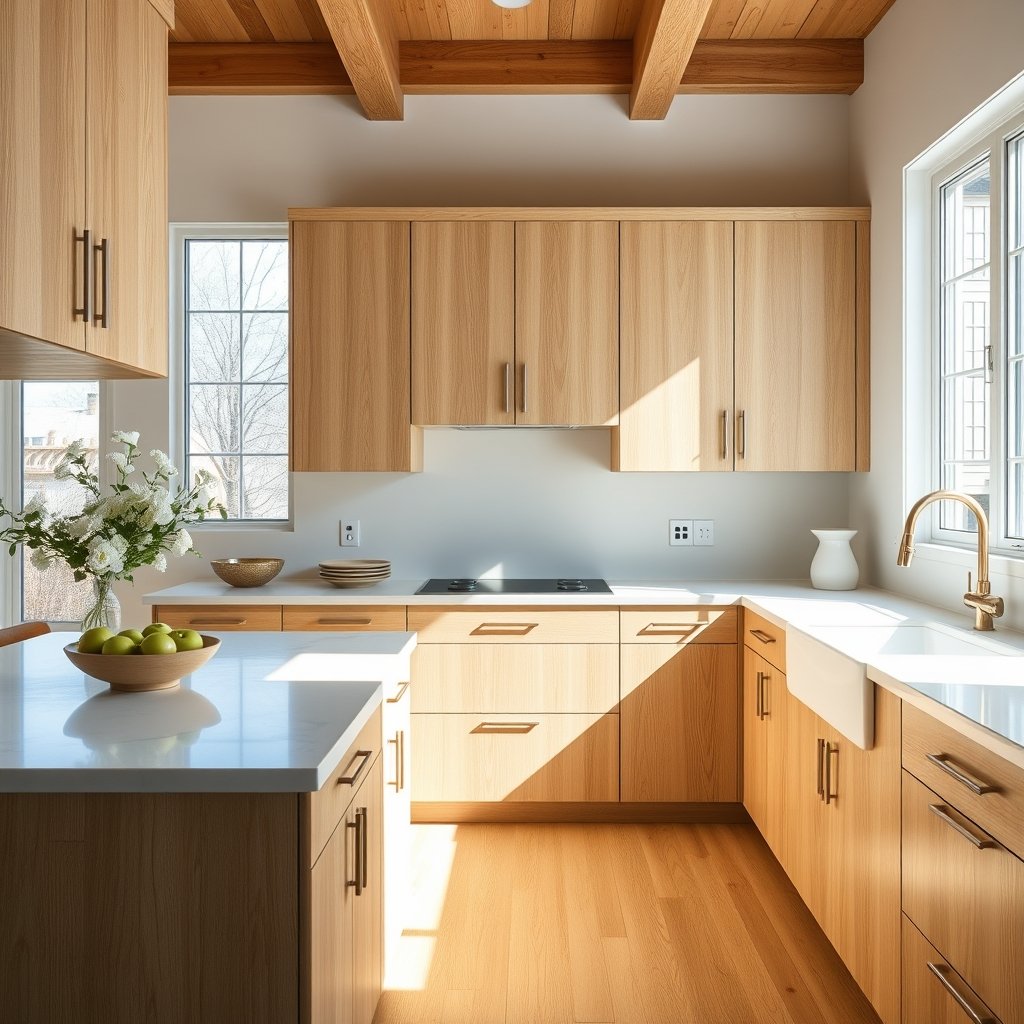
White oak kitchen cabinets are the backbone of the warm-modern trend driving premium kitchen remodels in 2024. Homeowners love the rich grain, natural color variations, and the way white oak plays with natural light—unlike painted options, it won’t chip, and it resists passing fads.
Unlike red or “natural” oak, white oak feels less yellow and more subtle, especially in rift- or quarter-sawn cuts. It pairs perfectly with low-sheen stone countertops, minimal hardware, and open, airy layouts. While the upfront cost is higher—expect about $900 per linear foot for solid wood fully installed, according to recent data—it’s seen as a mid to high-end investment that returns long-term value, especially when compared to short-lived painted finishes.
How much will a white oak kitchen remodel cost in 2024—a realistic budget breakdown (including island)
If your remodel includes a white oak kitchen with island, you’ll want a realistic view of the budget. Here’s a breakdown based on current 2024 benchmarks, offering true purchase-ready numbers:
| Cabinet Type | Material / Style | 20ft Standard Layout | Custom Island Add-On |
|---|---|---|---|
| Solid White Oak (custom/semi-custom) | Rift or Quarter Sawn, Full Plywood Case, Custom Details | ~$18,000 | +$4,000–$6,000 |
| White Oak Veneer (semi-custom) | Real White Oak Veneer on Plywood/Nanocore, Painted Box | $10,000–$13,000 | +$4,000–$5,000 |
| Stock Cabinets (painted or light-oak finish) | Limited White Oak Look / Foil or Painted MDF | $7,000–$9,000 | +$3,000–$4,000 |
- Labor: Typically 30–40% of the total cost for island installation, or about $1,200–$2,400 on a $5,000 island [source].
- Installer rates: $50–$120 per hour depending on skill, region, and complexity.
- Don’t forget: Countertops and backsplash costs are additional (quartz averages $3k–$5k+), and complex layouts can shift labor/time higher.
Labor and installation realities—what to budget and what to expect from pros
A big factor in your white oak kitchen remodel cost is labor. Here’s what to expect:
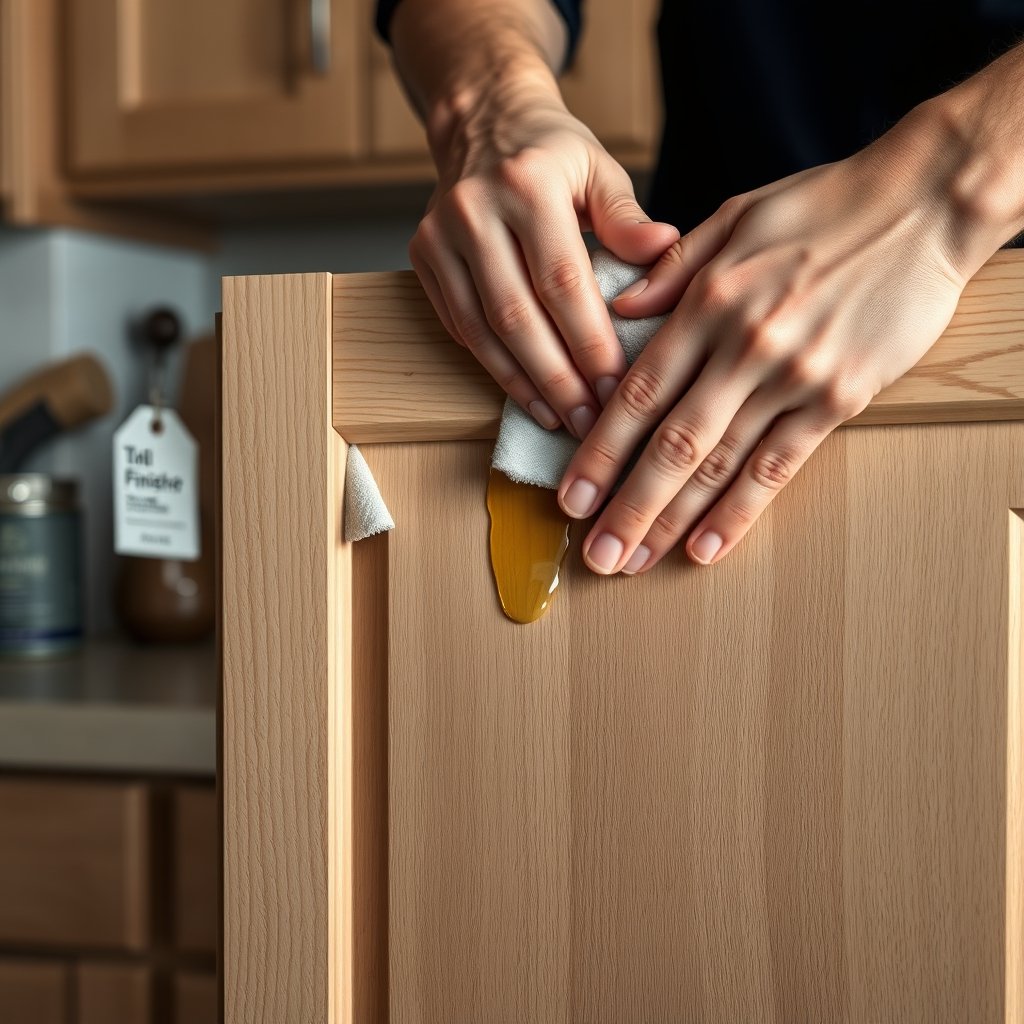
- Professional installation is critical, especially for solid white oak or veneer—mistakes in sealing or scribing can cause costly moisture damage or misaligned joins.
- Labor is typically billed at $50–$120 per hour. Islands with custom features tend to require more time and expertise, raising the price.
- Don’t forget specialty trades: If you add plumbing for a sink or electrics for outlets on your island, these trades bill separately (plumbers/electricians often charge $90–$150/hr).
- Lead times: For true custom or semi-custom white oak, expect 6–12 weeks from order to install. Plan accordingly and get this in writing before making a deposit.
To avoid delays, supply-chain snags, and costly rush fees, schedule your project early and ask your contractor for a written schedule covering each phase—cabinet fabrication, delivery, install, and any trade coordination.
For those considering built-in appliances, match your appliance cabinet specs carefully. Refer to our guide on panel-ready appliances for essential measurement and lead time tips.
Solid vs veneer vs stock—when to splurge and where to save
Choosing between solid white oak, white oak veneer, or stock cabinets comes down to budget, design intent, and how much wear your kitchen will face:
- Solid White Oak: Unmatched beauty and durability, especially in rift- or quarter-sawn. Best for those wanting custom details and lasting value, but at $900/linear foot it comes at a premium [source]. Repairable but not ideal if you might want to repaint in the future.
- White Oak Veneer: Real oak surface on plywood or MDF core. Retains most visual appeal for $10k–$13k total. Not as repairable for dents, but great for flat panel or slab looks and recommended if you need to stretch your budget across more cabinets or fund high-end appliances.
- Stock (Pre-made) Cabinets: In white oak “lookalike” or painted finishes, these can work for low-use areas or budget flips, but usually lack the dimensional grain and color depth of real oak. Costs $300–$400/linear foot installed [source].
Curious about repair and paintability? Solid oak can be sanded but is hard to refinish or repaint to a like-new painted finish later—if you’re likely to want color flexibility down the line, veneer or paint-ready cabinets might be the safer path.
Want a modern, clean look? Choose white oak flat panel cabinets for simplicity or white oak shaker cabinets if you want something classic with updated edges for transitional homes.
Most common homeowner complaints and how to avoid them
Even the best material can disappoint if expectations aren’t clear or corners get cut during design or install. Here’s what experienced homeowners often regret, and how you can sidestep costly mistakes:
- High upfront cost: It’s a serious investment. Decide early if all-white oak is a must or if you can mix materials to save.
- Moisture sensitivity: White oak can warp or discolor if not properly sealed, especially near sinks and dishwashers. Use durable, professional-grade sealants on all vulnerable edges, and ask for written confirmation from your installer.
- Limited refinishing or repainting options later: Solid oak is hard to convert back to a painted finish after several years—choose wisely if you may want a color change as trends evolve.
- Availability of rift/quarter-sawn or true shaker styles: Some local suppliers offer only busy “plank” or low-cost faux options. Always request in-person samples.
To prevent these regrets, clearly specify door style (shaker vs flat), wood cut (rift or quarter for subtle grain), and require documented finishing steps—this helps if you need to claim warranty labor later.
Three undercovered white oak cabinet design+finish ideas that sell
Many sources rehash the same advice, but these three white oak cabinet design ideas deliver both unique looks and true function:
- Wire-brushed or Cerused Finish: Brings out the oak’s grain for a tactile, industrial-warm vibe. Pairs well with black hardware and matte stone. Perfect if you want something bolder than the standard clear-coated oak.
- Rift-cut with Gray-Blue Wash: Subtle cool tone minimizes “yellowing” and matches modern quartz counters. Works great in open, naturally lit kitchens seeking a softer Scandinavian effect.
- Full-Height Waterfall Island with Walnut-tone Stain: Run the oak grain down the side of your island. Use a dark walnut stain to achieve a luxury look; white oak is often half the cost of real walnut for this statement feature [source].
For a deeper dive into these concepts, check out our favorite inspiration photos below, or see white oak cabinet design ideas with example projects. Designer hardware and subtle LED under-cabinet lighting will take any of these styles to the next level.
Styling guidance—door styles, hardware, and layout pairings
The best styling for a warm modern kitchen using white oak leverages minimal window treatments and clear sightlines. Here’s how to maximize your investment:
- Door styles: White oak flat panel cabinets deliver a cleaner modern look; white oak shaker cabinets are perfect if you lean transitional but want to avoid that dated “busy” oak grain.
- Flooring: If pairing with wood floors, go for contrast—darker floors, lighter cabinets, or vice versa. Avoid matching grain direction exactly to break up visual monotony.
- Hardware: Stick to a simple palette—brushed nickel, black, or satin brass all read as modern. Oversized pulls work especially well for islands.
- Lighting: Choose two or three large pendants over the island for calm focus. Recessed LED strips inside and under cabinets show off the grain. According to 405 Cabinets & Stone, minimal window treatments help the oak read warmer and more organic.
For more on functional styling and hardware selection, visit our guide to space-maximizing kitchen organization.
Practical finish and maintenance choices
Your white oak’s longevity is only as good as its finish. Here’s what to specify and how to keep it looking new:
- Finish options: Hardwax oil finishes offer warmth and touch-up repairability; matte polyurethanes provide max moisture defense. Always request VOC-free, kitchen-safe formulas.
- Routine care: Wipe up splashes quickly. Use only damp, not wet, cloths. Avoid harsh cleaners—stick to mild soap and microfiber cloth.
- Annual check: Re-oil or refresh high-use areas as directed. Watch closely around sink and dishwasher zones; reseal if finish looks thin or feels rough.
- What’s not easily repaired: Deep water stains or heat damage on solid white oak can require pro refinishing. Painted or veneer surfaces can be harder to patch invisibly—ask your cabinetmaker what’s repairable before you choose.
Skipping proper finish is the #1 reason for homeowner regrets. As expert guidance from Homes Cabinet affirms, “proper sealing and finishing is critical” for white oak cabinet finish options—always confirm in writing what’s used.
White oak vs natural oak (and other wood alternatives)—quick decision matrix
Struggling to choose between white oak vs natural oak cabinets or walnut, or even painted? Use this quick matrix:
| Wood/Material | Appearance/Grain | Relative Cost | Best For |
|---|---|---|---|
| White Oak | Subtle, less yellow; rift-cut is modern | $$$ | Warm-modern, islands, resale value |
| Natural (Red) Oak | Busy grain, more yellow/red | $$ | Budget-friendly, painted |
| Walnut | Rich brown, straight grain | $$$$$ | Luxury islands/accent runs |
| Painted MDF/Maple | Smooth, any color | $$ | Trend-driven or flexible looks |
For the 2024–26 “light oak” trend, rift-cut or lightly stained white oak fits the bill, delivering warmth and modern lines at a fraction of walnut’s material premium—especially for island builds [source].
Curate your kitchen materials for max function and value. If you need help with functional layout planning and storage selection, see our review of versatile kitchen storage containers that complement any cabinet style.
How to get accurate bids—checklist & questions for suppliers/contractors
Getting apples-to-apples bids is the only way to compare white oak kitchen remodel cost across suppliers. Use this checklist before you request quotes:
- Cabinet material: solid white oak, real veneer, or paint-ready MDF?
- Door style: shaker vs flat panel; confirm actual sample provided.
- Finish: name brand, type of sealer, color/stain, sample approval step?
- Hardware type/finish; ask if soft-close drawer hardware is included.
- Installation labor: Per-hour rate? Line-item labor vs material cost?
- Lead time: From contract to install, how many weeks? Get it in writing.
- Moisture protection: What sealants and methods on sink/dishwasher edges?
- Warranty: Coverage for finish, labor, hardware (ask for documentation).
Sample Questions to Ask:
- Will you itemize cabinet, hardware, and install labor on the bid?
- What’s your experience installing white oak (solid and veneer)?
- How do you protect against moisture and warping, especially at sink?
- What’s the recommended care routine for your finish?
Download our sample spec sheet to send with bids (PDF, Word): White Oak Cabinet Spec Sheet Download
Budget-friendly sample layouts (3 scenarios) with ballpark numbers
- Scenario 1: Painted stock cabinets on main run, semi-custom white oak veneer island (8ft) — ~$8,000–$10,000, functional, keeps the oak focal.
- Scenario 2: 20ft run of white oak veneer cabinets, matching 6ft island — ~$12,000–$15,000, balances cost, delivers the full warm-modern look.
- Scenario 3: 20ft run of solid white oak, custom 8ft waterfall island — $22,000–$26,000, the high-end showstopper for resale or forever homes.
Each approach can be dialed up or down by adjusting hardware, shelving, and internal organizers (see spice rack reviews for inside-the-cabinet upgrades). Remember to allocate at least 15% of your budget to labor—especially for islands and panels with tricky angles or full-height finishes.
FAQ + decision flowchart
How long will white oak kitchen cabinets last?
With proper finishing and reasonable care, expect 20–30 years. Hardwax or polyurethane finishes extend life, especially with regular upkeep.
Can I refinish or repaint my white oak cabinets later?
It’s possible—but with solid oak, repeated sanding/repainting is difficult and may compromise the grain. Veneer surfaces are not recommended for repainting.
Is white oak a good choice for busy kitchens with kids or pets?
Yes, as long as you select a matte poly finish for moisture protection. Wipe up spills quickly and avoid standing water on edges and floors.
What’s the best way to compare real-life white oak samples?
Ask every supplier for a physical sample of the finish and grain cut—never order based on photos alone. Request to see both flat panel and shaker style, plus a clear example of the edge profile.
How far in advance should I order white oak cabinets?
Plan for 8–12 weeks lead time for custom; semi-custom or stock can be as short as 3–5 weeks, but always confirm in writing as supply chain delays are common.
Next steps / Call to action
Ready to take the next step? For a successful, lasting remodel, always request at least three bids: one for stock/painted, one for veneer/semi-custom, and one for solid or custom. Use the checklist above and send your chosen suppliers a simple spec sheet covering your layout, desired door style, finish, hardware, and island specs—download our sample sheet here.
Don’t forget, getting your white oak kitchen cabinets right from the start is the best way to make your investment last a lifetime and avoid the regrets so commonly shared by homeowners who skip careful planning. Act now—start your quotes, compare real samples, and partner with only seasoned installers. Your warm, modern kitchen is closer than you think.