

Panel ready appliances have become the must-have feature for high-end kitchen remodels, offering a completely integrated look that blends your fridge, dishwasher, and even freezers into custom cabinetry for a designer finish. But are the extra costs, installation headaches, and long-term tradeoffs actually worth it compared to traditional stainless steel? This guide spells out the real numbers and issues so you can decide confidently before making any purchase.
Key Takeaways
- True total cost of panel ready appliances includes appliance, custom panel, fabrication, installation, and potential cabinet modifications—usually $4,000–$8,500 for a counter-depth panel ready refrigerator and $10,000–$15,000+ for luxury columns.
- The seamless, hidden appliances kitchen look delivers unique visual value and high resale appeal for design-focused buyers, but often brings maintenance and service challenges many overlook.
- Many long-term tradeoffs—panel durability, repair costs, resale impact—are under-discussed by appliance sellers but can matter greatly over the lifespan of your investment.
- Why choose panel ready appliances (real design + functional value)
- 2024 cost breakdown — what you’ll actually pay
- Panel ready vs stainless steel — direct price and value comparison
- Price guide by brand, size and premium features
- Top installation challenges & what to plan for
- Everyday-use complaints and troubleshooting
- Long-term ownership costs and maintenance
- Resale impact and remodeling/upgrade costs
- Decision matrix — who should buy panel ready vs who should stick with stainless
- Quick buying and installation checklist + questions for sellers/contractors
- FAQ & quick reference
Why choose panel ready appliances (real design + functional value)
Panel ready appliances create a truly hidden appliances kitchen—where everything from your refrigerator to your dishwasher is cloaked in matching cabinetry. For those obsessed with visual harmony, this lets your kitchen flow seamlessly, making oversized appliances almost invisible. Panel ready designs are especially popular in custom cabinetry projects aiming for a magazine-worthy, “bespoke” look. Research shows paneling generates the most dramatic visual impact among integrated appliance kitchens, making the investment worthwhile for design-focused homeowners. Hidden appliances are also practical: cabinet panels can conceal fingerprints and reduce cleaning, while integrated designs make small kitchens look larger and less cluttered.
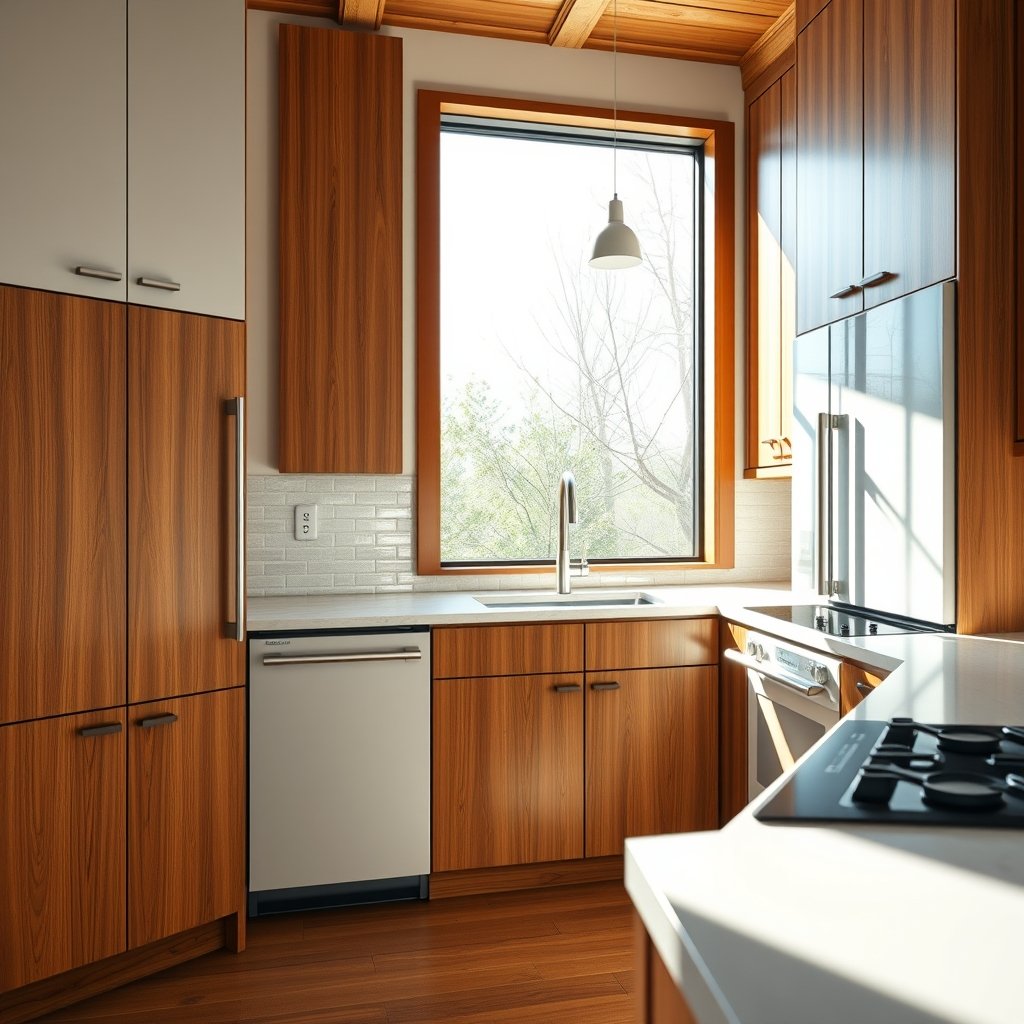
2024 cost breakdown — what you’ll actually pay (appliance + panels + install)
Sticker price barely tells half the story when budgeting for a custom panel refrigerator or dishwasher. Here’s a realistic 2024 breakdown of total out-of-pocket:
- Base appliance: Most counter-depth panel ready refrigerators start between $4,000 and $8,500. Luxury column or four-door units from brands like Sub-Zero, Miele, or JennAir can hit $10,000–$15,000+.
- Custom cabinet panel: Typically $400–$1,200 (high-end wood or unique finishes can go higher). Fabrication costs vary by region and cabinetmaker skill.
- Fabrication & finish: If your cabinetry needs changes, add $500–$2,000 for modifications, finish matching, or alignment work.
- Professional installation: Expect $400–$1,500 for delivery, precise panel mounting, and water/ice line hookups—DIY is rarely recommended.
Total project cost for a panel ready refrigerator routinely exceeds $6,500 even for “mid-tier” models, and can run over $15,000 for premium integrated setups. Source and Source.
It’s also vital to factor the extended timeline—ordering, fabrication, and installation can add weeks to your remodel, especially if panel measurements or finish matching are delayed. For perspective, standard stainless-steel built-ins often save $1,000–$1,500 in base cost, but the gap shrinks once all the extras are counted (see cost breakdown).

Panel ready vs stainless steel — direct price and value comparison
Here’s what you really pay, side by side. (All numbers are 2024 U.S. mid-market averages):
| Specs | Panel Ready (Hidden Look) | Stainless Steel (Exposed) |
|---|---|---|
| Base fridge price | $4,000–$8,500 (counter-depth) $10,000–$15,000+ (columns) |
$3,000–$7,000 (counter-depth) $9,000–$13,500 (columns) |
| Panel & fabrication | $400–$1,200+ panel + $500–$2,000 (if cabinetry needs work) | Not required |
| Installation | $400–$1,500 (precise panel mount) | $200–$500 (standard install) |
| Total project cost | $6,500–$10,500+ (mid-range fridge); $13,000–$18,000+ (columns) | $5,000–$8,500 (mid-range fridge); $10,000–$14,000 (columns) |
| Visual appeal | Best for seamless, integrated kitchens | Modern/industrial look, visible appliances |
| Resale impact | High for design-focused buyers, but future remodels can add cost | Safe, “timeless” but less unique |
In summary, the gap narrows more than most buyers expect—especially when upgrading to high-end stainless steel models. In custom builds, panel ready vs stainless steel mainly comes down to a clear aesthetic preference and willingness to coordinate cabinetmaker and appliance installation teams. See this design analysis for trends and resale insights.
If you’re reconsidering your appliance investment, also read our scullery kitchen design guide for clever ways to conceal clutter and appliances.
Price guide by brand, size and premium features (quick reference)
Panel ready refrigerator cost and upgrade features vary widely by brand and configuration. See price examples below:
- Counter-depth French door, panel ready: $4,000–$7,500. Example: Bosch 800 Series B36CL80ENS, KitchenAid KBBX104EPA.
- Built-in column/counter-depth side-by-side, panel ready: $10,000–$15,000+. Example: Sub-Zero IC-30CI, Thermador T24IR905SP, Miele MasterCool KS37472iDE.
- Dishwashers, panel ready: Typical upgrade of $200–$600 over baseline; $1,000–$1,800 fully installed with panel. Bosch, Miele, Thermador are market leaders.
- Premium add-ons: Internal water dispenser, smart controls, variable temp drawers, dual compressors, and soft-close drawers.
Luxury appliance brands that dominate integrated kitchens include Sub-Zero, Thermador, JennAir, Bosch, and Miele. Custom panel refrigerator buyers almost always encounter these brands in upper price tiers.
For a breakdown of each model’s capacity and real-world noise level, browse our kitchen storage solutions for appliance-friendly options.
Top installation challenges & what to plan for
Installing a panel ready fridge or dishwasher isn’t as simple as swapping appliances. Key challenges include:
- Precise cabinet modifications: Panel dimensions, door swing, and handle clearances must match exactly, or alignment issues and door gaps occur.
- Custom panel fabrication: Matching grain, stain, and thickness to surrounding cabinets is difficult—especially in older homes.
- Door/drawer alignment: Uneven or warped cabinets can make perfect alignment nearly impossible without additional millwork.
- Routing water/ice line routing plan: Especially for integrated ice-makers—tight cabinetry and added panels may complicate or restrict access for service.
- Serviceability: Technicians may charge extra to remove (and re-install) custom panels for repairs.
The most frequent user complaints are cost overruns tied to last-minute panel fabrication, delayed installation due to custom cabinet requirements, and challenges accessing plumbing or compressor systems for ongoing maintenance.
Checklist for homeowners:
- Confirm final panel thickness and appliance clearances with both cabinetmaker and installer.
- Request a written water/ice line routing plan.
- Ask about door-gap and hinge clearance tolerance.
- Ask which installer is responsible if panel alignment is off post-install.
- Verify warranty coverage for any panel or cabinetry damage during install.
Everyday-use complaints and troubleshooting (what homeowners actually report)
Panel ready appliances deliver stunning design, but bring unique usability complaints:
- Service frustrations: Access to motors, water lines, or compressors almost always requires panel removal—expect longer, costlier repairs.
- Panel swelling or warping: In humid climates or with improper sealing, wood panels may swell, crack, or delaminate, compromising appearance.
- Noisy compressors: Tight cabinetry amplifies refrigerator or dishwasher noises, while reduced front-venting can make some models louder.
- Interior capacity loss: Most counter-depth designs sacrifice cubic feet compared to full-depth models; the seamless look reduces practical volume.
- Panel mismatch: Panels that fade differently than cabinets may look “off” after a few years.
Quick fixes: Use marine-grade plywood or sealed MDF for high-humidity kitchens. Schedule annual pro panel checks to address misalignment or swelling early. If you find daily operation cumbersome or noisy and want additional kitchen hacks, try a compact vacuum sealer to maximize reduced fridge storage space.
Long-term ownership costs and maintenance (competitors often miss this)
Many guides skip long-range issues for panel ready appliances, but they matter for premium buyers:
- Panel durability and replacement cost: Custom panels may fade, wear, swell, or crack over years—especially if kitchen humidity is variable. Replacement often costs $500–$1,200 per panel plus downtime for fabrication and matching finish.
- Warranty coverage gaps: Manufacturer warranties rarely cover panel-related warping, damage, or installation issues; coverage is usually for the appliance only.
- Extra labor for service: Techs may need to remove/reinstall panels for repairs—plan for higher service fees and longer downtime.
- Cumulative energy use: Integrated designs can reduce ventilation, making compressors run harder—total energy cost over a 10–15 year lifespan may outpace standalone units.
Recommended maintenance: Inspect panel hardware and alignment once per year, especially after heavy/humid seasons. Budget for re-finishing or eventual re-paneling in case of wear. On new projects, always ask for written documentation of panel source, finish type, and warranty—this will smooth out any future insurance or maintenance claims.
If you store bulk goods and want to lengthen appliance lifespan, check our Rubbermaid Brilliance containers review for airtight dry storage that blocks kitchen humidity.
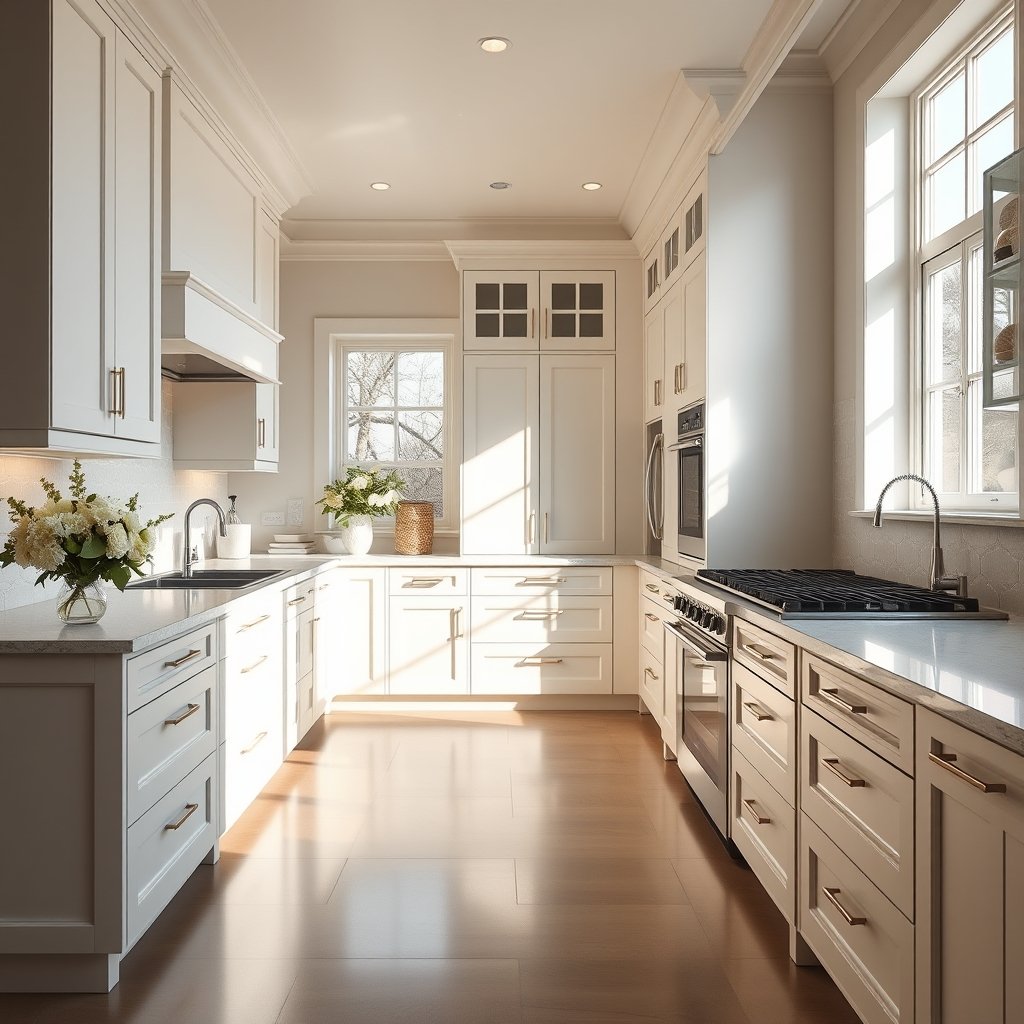
Resale impact and remodeling/upgrade costs (a unique buyer concern)
A concealed kitchen appliances look undeniably appeals to design-minded buyers and luxury agents often highlight panel ready kitchens for staging. Still, consider these resale nuances:
- Design-driven buyers may pay more for a high-end panel look, but others may see hidden appliances as costly to maintain or “dated” if panel styles change.
- Swapping or removing panels during a future remodel adds $1,000–$3,000 (materials and labor), especially if matching existing cabinetry is complex or not possible.
- Appliance shapes and tech evolve; future buyers may incur added expense to re-panel or convert appliances back to a visible finish, leading to extra depreciation risks.
- Some appraisers will count built-in, integrated appliances as value-adds, but only if maintained in pristine condition.
Competitors rarely mention that custom panel refrigerator buyers may shoulder more upgrade work—and cost—during their next remodel versus an easy stainless swap-out. Considering value retention? See how major appliance upgrades stack up in our intelligent kitchen storage review.
Decision matrix — who should buy panel ready vs who should stick with stainless
Here’s a quick self-check to guide your purchase:
- You should choose panel ready appliances if…
- Your kitchen design priority is seamless, “designer” integration
- You can coordinate a cabinetmaker, appliance installer, and fabricator (or want a vendor who does)
- You’re comfortable budgeting $400–$1,200+ extra per major appliance for panels/installation
- You expect to enjoy the same appliance for 7–10 years and want resale impact
- You’re willing to tackle possible higher long-term service and panel replacement/maintenance costs
- Stainless steel is a better fit if…
- You want the shortest remodel timeline
- You prefer a modern, visible appliance aesthetic
- Your budget is fixed or you prefer to avoid future maintenance/panel problems
- Service access and ease of resale to any buyer is a top priority
See more on integrated appliance kitchen pros and cons by reading our 2026 induction cooktop comparison if you’re considering matching cooktops and ovens as part of your remodel.
Quick buying and installation checklist + questions for sellers/contractors
Bring this checklist with you to the showroom or when hiring contractors for any panel ready fridge installation or panel ready dishwasher project:
- Ask for a total installed price (appliance, panel, fabrication, delivery, tax, install—all in writing).
- Confirm panel thickness and size limits set by the manufacturer and installer.
- Ask how service access works; who pays for panel removal during warranty repairs?
- Verify if warranty covers panel and labor or just the appliance itself.
- Request a clear cabinet modification plan and confirm your cabinetmaker has installed similar units.
- Demand a water/ice line routing plan for fridges or dishwashers, with clear points for shutoff and repair access.
Professional installation is almost always recommended, with custom panels adding several hundred to over a thousand dollars per project. Source.
FAQ & quick reference
What does a panel ready refrigerator actually cost in 2024?
Expect $4,000–$8,500 for most counter-depth models (including custom panel and install), $10,000–$15,000+ for luxury columns (Sub-Zero, Miele, Thermador). Dishwashers and freezers add similar premiums. Stainless steel built-ins are typically $1,000–$1,500 less for base units, but out-the-door cost often narrows after panels/installation are counted.
Do panels affect appliance warranty?
Manufacturer warranties generally only cover the core appliance, not the custom wood/veneer panel or damage resulting from poor installation. Always clarify with your installer and dealer.
How are panel ready appliances repaired or serviced?
Panels must typically be removed before major service—this adds time and costs. Always ask who’s responsible for removing/replacing panels during in-warranty repairs and confirm if extra labor is chargeable.
Which brands are best for panel ready appliances?
Top brands: Sub-Zero, Miele, Thermador, Bosch, JennAir. Each offers a broad range of built-in and panel ready refrigerator cost options, plus matching dishwashers and freezers.
Should I choose counter-depth or column panel ready units?
Counter-depth models offer a more accessible price point and easier retrofits, but columns (separate fridge/freezer) create the ultimate integrated look—at significant added cost. Columns require more careful planning for panels and installation space.